Expert Siding Services: Protecting Your Home While Enhancing Its Beauty
Skilled siding contractors offer two key functions: they shield residences from weather conditions and enhance visual appeal. As homes age, symptoms including fractures and moisture accumulation suggest the importance of prompt siding replacement. Choosing quality materials tailored to specific climates significantly affects durability and energy efficiency. Skilled installation by experts is critically important. Understanding these aspects is vital for homeowners considering an upgrade. Which elements should homeowners consider before committing to this investment?
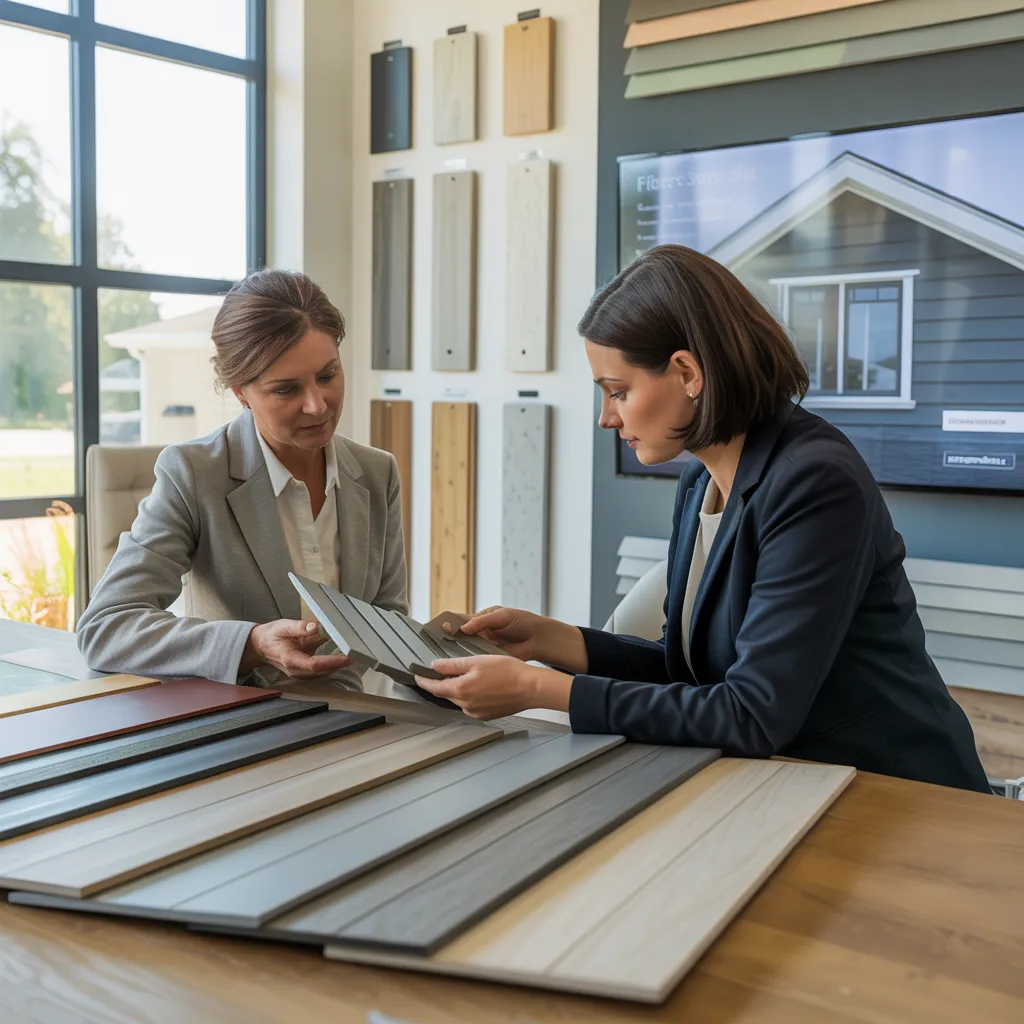
Warning Signs That Your Siding Needs to Be Replaced?
When is it time for homeowners to replace their siding? There are several key signs that homeowners should watch for that suggest siding replacement is needed. Noticeable damage, including cracks, warping, or peeling paint, can undermine the exterior's structural integrity and visual appeal. Furthermore, signs of moisture or mold can indicate deeper problems that could result in expensive repairs if ignored. Should energy costs start increasing without explanation, this could signal poor insulation caused by deteriorating siding, warranting a closer look at the home's exterior. Beyond that, age is an important consideration, as most siding materials are designed to last anywhere from 20 to 30 years. As a final point, when a homeowner experiences greater noise intrusion from the outdoors, transitioning to a more soundproof siding solution may be advisable. Identifying these indicators promptly can assist in preserving the home's safety and visual charm while avoiding further issues down the line.
Why High-Quality Siding Is Important for Your Home
Superior siding is a key factor in a home's general functionality and aesthetic. It boosts energy efficiency by delivering improved insulation, which can produce lower utility bills. Furthermore, high-quality siding markedly boosts curb appeal, making the property more attractive to potential buyers and passersby.
Benefits of Energy Efficiency
Energy efficiency is an essential aspect of modern home design, and the selection of siding is a key factor in achieving it. High-grade siding products, such as fiber cement or insulated vinyl, provide superior thermal performance, helping to maintain consistent indoor temperatures. This decreases dependence on heating and cooling systems, ultimately leading to decreased utility expenses. Additionally, well-installed siding minimizes air leaks, further strengthening a home's insulation. Those who choose high-quality siding materials not only improve energy efficiency but also promote eco-friendly living by lowering their greenhouse gas emissions. In conclusion, selecting the right siding is critical for enhancing a home's energy efficiency, making it an intelligent choice for lasting comfort and reduced costs.
Curb Appeal Improvement
Although siding selection might appear to be a small consideration, it heavily affects a home's overall curb appeal. Superior siding can convert a simple house into a welcoming abode, elevating its beauty and expressing the homeowner's unique preferences. Different materials, colors, and textures allow for personalization, allowing property owners to develop a distinctive appearance that sets their home apart. Additionally, well-maintained siding can increase property value, establishing it as a vital financial commitment. Homebuyers often prioritize visual appeal, and quality siding can be a deciding factor. At the end of the day, picking the perfect siding both shields the building and amplifies its appeal, making it a crucial component in achieving a beautiful, welcoming home.
Choosing Siding Materials: Key Factors to Evaluate
Selecting the appropriate siding materials is critical for improving a home's visual appeal and longevity. Homeowners should consider several factors when making this decision. To begin with, climate is a major factor; choices such as vinyl or fiber cement are often ideal for locations that experience severe weather conditions, while wood siding delivers classic character in moderate climate zones.
Next, upkeep needs differ; some materials require regular painting or staining, while others need almost no maintenance. Budget is also a key factor; choices span from affordable vinyl to premium natural wood or stone.
Energy efficiency must also be evaluated, as some materials offer superior insulation, potentially lowering energy bills. Finally, homeowners must take into account their residence's architectural character to confirm that the siding aligns with its overall appearance. By weighing these factors, homeowners can identify siding materials that boost both visual appeal and lasting performance.
The Perks of Hiring Professional Siding Installers
Choosing experienced siding specialists can considerably boost the quality and lifespan of a residential exterior. These skilled contractors carry a depth of knowledge, ensuring that the installation is performed to the highest standards. Their in-depth knowledge allows them to navigate potential challenges, such as improper alignment or inadequate sealing, which can create substantial maintenance expenses in the future.
Additionally, skilled installers are outfitted with the appropriate tools and materials, which can greatly decrease installation time and upgrade the final result. They also keep up with local construction codes and regulations, ensuring compliance and minimizing the risk of fines or rework.
Additionally, enlisting skilled professionals often incorporates guarantees on both materials and labor, providing homeowners reassurance. This level of assurance, combined with the aesthetic and functional advantages of expert workmanship, underscores the significance of placing siding projects in the hands of experienced professionals.
Boosting Curb Appeal With Siding Solutions
Choosing the best siding can considerably boost a home's visual appeal. Color options, paired with multiple materials and textures, allow homeowners to create a standout look that reflects their individual taste. By considering these aspects, individuals can convert their residence into a attractive and welcoming space.
Why Color Choices Matter
How does the perfect color choice impact a home's exterior appearance? The decision regarding siding color plays a major role in a home's curb appeal, establishing the foundation for its overall appearance. Lighter tones have the ability to make a space feel more open and welcoming, while richer colors can suggest sophistication and class. Vibrant colors draw attention, allowing a home to stand out in the neighborhood, while understated colors deliver a refined and timeless aesthetic. Furthermore, a well-chosen color can complement both landscaping and architectural details, producing a unified look. It is important for homeowners to factor in their personal preferences, local weather conditions, and neighborhood influences when deciding on colors. In the end, carefully considered color selections not only elevate a home's beauty but also express the homeowner's character, making the property feel inviting and cared for.
Texture And Material Selections
Diverse texture and material selections can considerably boost a home's visual appeal, giving homeowners the ability to express their personal style. Options like vinyl, wood, and fiber cement all offer distinct visual characteristics and long-lasting performance. Low-maintenance vinyl siding, is found in numerous textures that simulate the look of natural materials. Although wood siding demands greater maintenance, brings warmth and classic charm, coming in smooth or textured finishes. Fiber cement siding merges the advantages of multiple materials, providing durability alongside diverse textures such as stucco and wood grain. These choices allow homeowners to tailor their exterior appearance, boosting both aesthetic appeal and overall property value. Selecting the right combination can transform any home into a stunning masterpiece.
Essential Tips for Maintaining Long-Lasting Siding Performance
Consistent maintenance is crucial for ensuring the durability and effectiveness of home siding. Property owners ought to start by washing the similar resource siding at least twice a year to remove dirt, mildew, and other debris. A light pressure washer or a soft cloth with a mild cleaning solution can successfully preserve its look without inflicting harm. Inspecting the siding for cracks, warps, or loose panels is essential; tackling these matters without delay can ward off more substantial damage. In addition, homeowners should secure proper drainage around the foundation to avoid water damage. Applying a protective sealant can enhance durability, particularly for wood siding. It is equally recommended to refinish or restain every couple of years, as this provides protection from weather conditions. Lastly, routine inspections of caulking around windows and doors will ensure secure seals, reducing energy costs and further extending the siding's life. These proactive steps contribute to maintaining both aesthetics and functionality.
Answers to Common Questions
How Long Does a Standard Siding Installation Generally Take?
Siding installation typically takes one to three days, according to the project's size and overall complexity. Considerations including weather conditions and the chosen siding type can also influence the overall timeline for completion.
What Are the Typical Costs of Siding Replacement?
The cost of siding replacement varies considerably, typically ranging from $5,000 to $15,000 based on the materials used, labor costs, and the size of the home. Property owners need to account for extra costs, including the removal of existing siding and any necessary structural repairs.
Can I Install New Siding Over Existing Siding?
Yes, new siding is installable over current siding, but it's important to confirm the underlying structure is sound. Proper insulation and moisture barriers are important for preventing potential issues like rot or mold.
What Types of Warranties Are Offered for Siding Products?
Several siding products come with warranties that differ significantly, typically providing coverage for material defects for 20 to 50-year periods. Warranties for installation may also be offered, covering workmanship for a designated period, often spanning one to ten years.
How Do I Find the Right Siding Color to Complement My Home?
To pick a siding color that enhances a home, homeowners should evaluate the style of the architecture, surrounding landscape, and neighboring homes. Samples can help visualize options, while consulting color wheel tools improves how decisions are made.